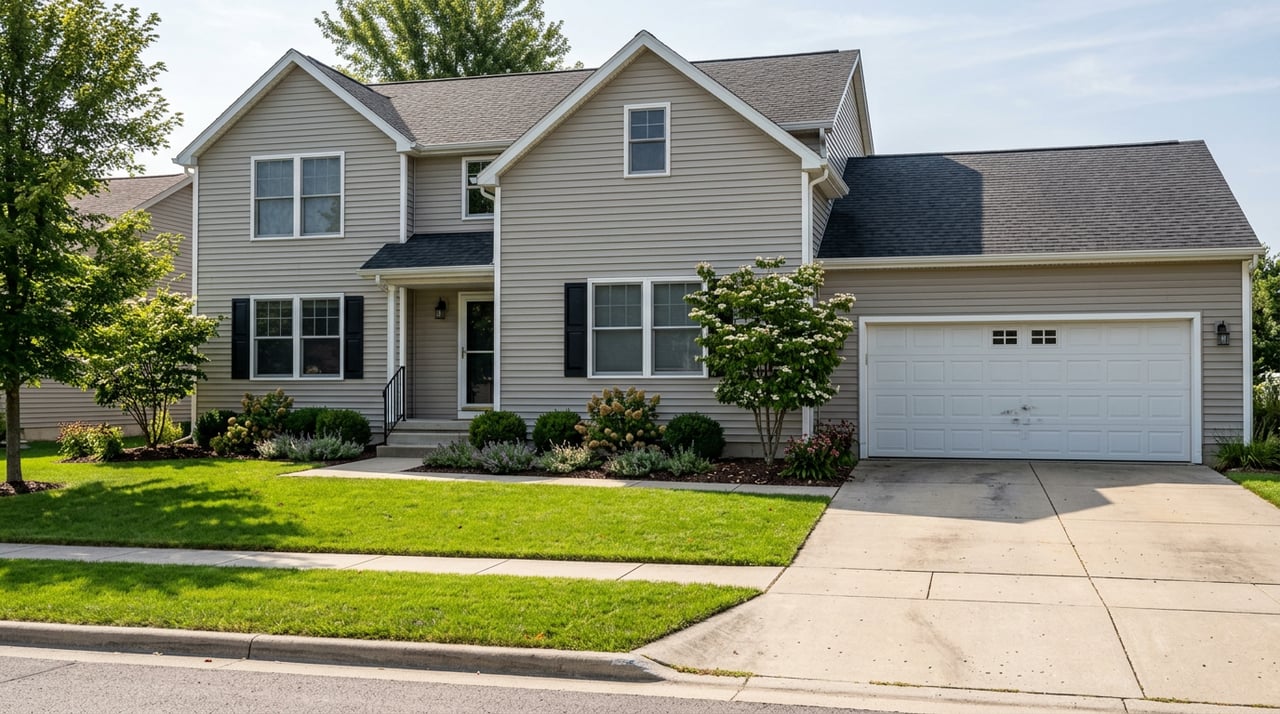
Ready to buy your first home in Annville but not sure where to start? You are not alone. Annville blends small‑town charm, a historic main street, and quick access to jobs across Lebanon County and the Hershey–Harrisburg corridor, which makes it a popular choice for first‑time buyers. In this guide, you will learn what to expect from the local market, the types of homes you will find, key steps to take, and the inspections and resources that matter most here. Let’s dive in.
Annville at a glance for first‑time buyers
Annville Township is a compact community of around 5,000 residents, so listings can feel tight and move quickly depending on the neighborhood. Commutes are manageable — the mean travel time to work is about 21 minutes, and U.S. Route 422 runs right through town for easy east‑west access to Lebanon, Hershey, and Harrisburg. You can verify commute and community stats any time using the U.S. Census Bureau’s QuickFacts for Annville Township. View the latest Annville QuickFacts.
Prices you see on public listing sites can vary because Annville is a small market. Recent snapshots have ranged in the mid to upper $300s, with differences based on source, time frame, and whether the number is a list or sold price. Use Bright MLS data and a local agent for the most accurate, current comps. For affordability planning, check the current 30‑year average mortgage rate through Freddie Mac’s Primary Mortgage Market Survey before you lock your loan. Check PMMS for today’s averages.
What homes you will find in Annville
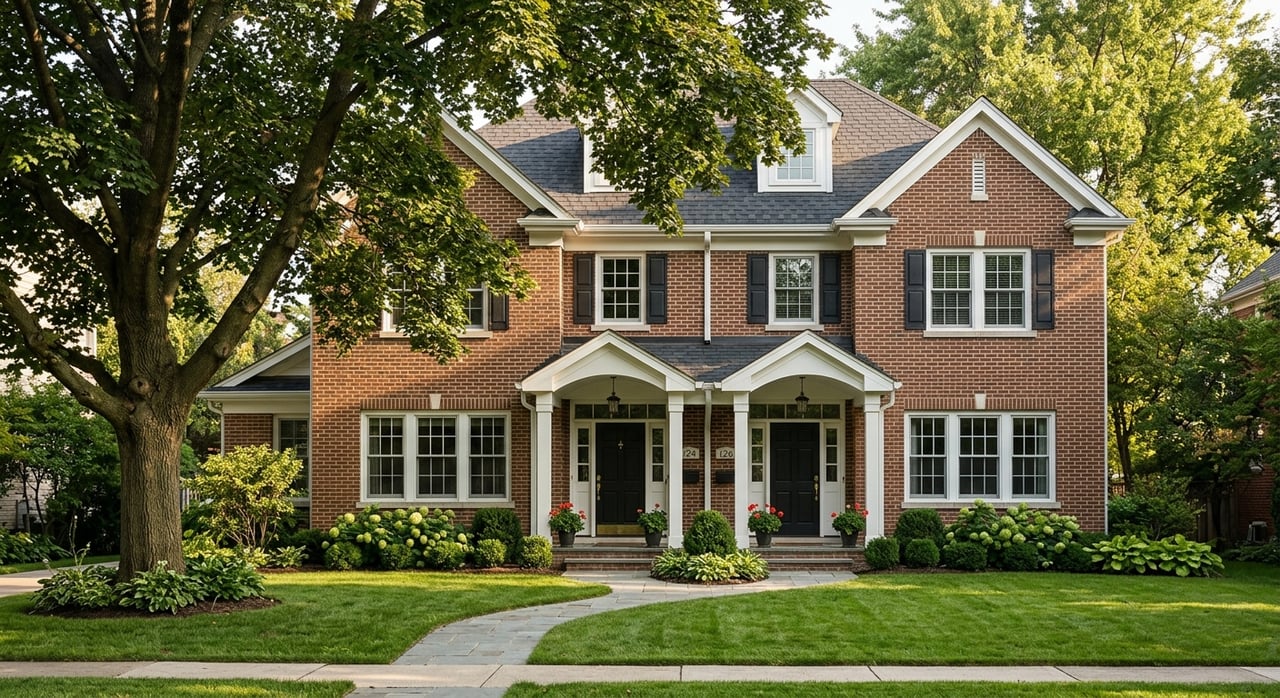
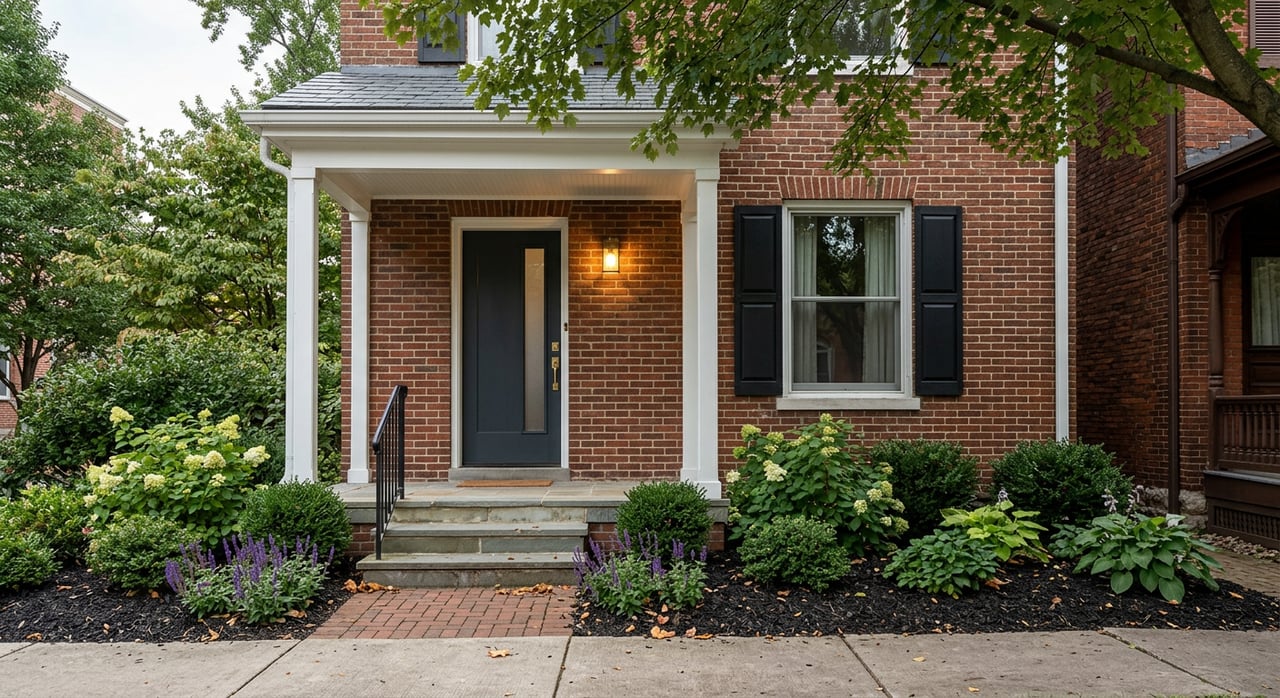
Annville’s heart is a National Register‑listed historic district with homes that span early log and stone structures, Victorian/Queen Anne houses, and worker cottages. This mix means you will often see older properties with distinctive façades, front porches, and period details. Learn more about the district’s architectural character from this overview of the Annville Historic District.
Older homes bring charm, and they also bring practical considerations. Expect possible legacy wiring, older plumbing, insulation differences, and maintenance needs. If you plan any exterior changes in the historic overlay near Main Street, you will likely need a Certificate of Appropriateness from the township’s Historic Architectural Review Board. Review the Annville HARB process before you budget for renovations.
The Lebanon Valley College campus sits adjacent to downtown, which adds a steady student and faculty presence. Near‑campus blocks often show more rental activity, while streets farther from campus trend toward longer‑term owner occupancy. Your agent can help you weigh these micro‑market dynamics as you tour.
How to buy your first Annville home
Get pre‑approved and set a budget
Start with a strong pre‑approval so you know your price range and monthly payment. Ask lenders to map out total cash to close, including closing costs and required reserves. Factor local property taxes into your payment estimate and plan to apply for the county’s homestead/farmstead exclusion after you close if the home will be your primary residence. Local reporting highlights that eligible Lebanon County homeowners can reduce school taxes by filing on time, so mark that deadline. You can see an example of the program’s impact in this homestead article for Lebanon County.
Use down‑payment help available in Pennsylvania
Pennsylvania’s housing agency offers first‑time‑friendly loans and assistance you can layer with a standard mortgage. Explore the PHFA home purchase programs for options such as the Keystone Home Loan first mortgage and purchase assistance like the Keystone Advantage Assistance Loan. Assistance is typically a 0 percent second loan for down payment and closing costs, with caps based on a percent of the price or a set dollar limit. Some programs are forgivable. Talk with a PHFA‑approved lender early to confirm income and purchase price limits.
House hunt with local context
Annville is small and varied. A well‑priced historic cottage near Main Street is a different animal than a newer subdivision home outside the core. Some months show balanced supply, and other weeks a single standout listing can draw multiple offers. Work with a buyer’s agent who knows the historic district, understands near‑campus streets, and can pull hyper‑local comps by block. Be ready to move quickly on homes that fit your plan.
Write a smart, flexible offer
Use recent sold comparables, not just list prices, to set your offer. Short but realistic contingencies signal confidence without putting you at risk. Ask your agent to confirm which items convey, clarify any seller credits, and align your closing timeline with your lender’s path to final approval.
Inspections that matter here
Plan a general home inspection right after acceptance. Most contracts allow a short window, so schedule fast. Add these locally important checks:
- Radon test for every home. Pennsylvania has many radon‑prone areas. The EPA recommends testing all homes and mitigating if levels exceed the action level. Learn about radon testing and mitigation.
- Lead‑based paint for pre‑1978 properties. Federal rules require lead disclosures for older homes and give you time for a risk assessment. Review the EPA’s lead‑safe guidance.
- Electrical system review in older houses. Older wiring such as knob‑and‑tube can affect safety and insurance. Your inspector may suggest an evaluation by a licensed electrician.
- Sewer, water, and well/septic. Confirm whether the home is on municipal service or private systems. For septics or wells, include separate inspections and request service records. Township code governs service connections and responsibilities. See the township’s code library for utility and connection rules.
Title, historic reviews, and closing day
Your title company will handle the title search and policy. If the home sits within the historic overlay, plan ahead for any exterior work by checking the HARB application and review steps. From contract to close, many financed purchases take about 30 to 45 days depending on underwriting and appraisal. Stay in weekly contact with your lender so you can clear conditions on time.
Annville‑specific risk and inspection checklist
Use this quick list to focus your due diligence:
- Foundations and basements in older homes. Ask your inspector about moisture, grading, and drainage patterns common to historic properties.
- Electrical capacity and grounding. Legacy wiring and smaller panels are not unusual in older housing. Confirm safety and potential insurance requirements.
- Plumbing age and materials. Older cast‑iron or galvanized lines may need updates over time.
- Indoor air quality. Test for radon and plan for mitigation if levels exceed the action level.
- Lead‑safe work. For pre‑1978 homes, follow EPA lead‑safe practices during renovation.
- Floodplain awareness. Quittapahilla Creek runs through parts of town. Review the township’s flood hazard overlay. If a property is in a mapped flood zone, your lender may require flood insurance and certain mitigation steps.
Local resources you will use
- Pennsylvania Housing Finance Agency. Explore first‑time buyer mortgages and assistance through the PHFA home purchase programs.
- Annville Township Historic Architectural Review Board. Review submittal steps and timelines for exterior changes in the overlay on the HARB page.
- Annville‑Cleona School District. Confirm attendance zones, calendars, and district information on the district’s official site.
- Radon testing and mitigation. See federal guidance and state resources from the EPA’s radon page.
- Homestead/farmstead exclusion overview. Read local coverage of Lebanon County school tax savings and application timing in this homestead article.
- Community data and commute times. Check the U.S. Census QuickFacts for Annville Township.
Quick first‑time buyer checklist
- Get pre‑approved and ask a PHFA‑approved lender to assess eligibility for down‑payment help.
- Hire a local buyer’s agent who knows the historic core and the streets near campus.
- Confirm school assignment and discuss the county homestead application after closing.
- Include a general inspection with radon testing. Add a lead check for pre‑1978 homes and an electrical evaluation for older wiring.
- Check HARB rules before planning exterior work if the home sits in the historic overlay.
Buying your first home in Annville is very doable with the right plan and a team that knows the local details. From pre‑approval and PHFA options to inspections, title, and historic‑district steps, we help you connect each dot and keep the process moving. If you are ready to tour homes or want a custom game plan, reach out to Scott & Sharon Weaber - Protus Realty for local guidance and full‑service buyer representation.
FAQs
What should a first‑time buyer know about Annville’s commute and size?
- Annville Township is a small community of about 5,000 residents with a mean commute near 21 minutes, according to the U.S. Census QuickFacts for Annville Township.
How do PHFA programs help first‑time buyers in Annville, PA?
- PHFA offers first‑time‑friendly mortgages and down‑payment or closing‑cost assistance that you can combine with a standard loan, subject to income and price limits through approved lenders.
Do I need a radon test when buying a home in Annville?
- Yes. The EPA recommends testing every home for radon and mitigating if levels exceed the action level, which is standard practice across Pennsylvania.
What should I know about buying in Annville’s Historic District?
- Expect exterior changes in the overlay to require HARB review and a Certificate of Appropriateness, so plan timing and budgets with those steps in mind before starting work.
How does Lebanon Valley College impact housing near downtown Annville?
- The campus adds student and faculty demand, which can increase rental activity and investor interest on near‑campus blocks compared to streets farther from the core.